HPDC, LPDC or gravity casting? A buyer's decision framework
The three most common aluminum casting routes — high-pressure die casting (HPDC), low-pressure die casting (LPDC) and gravity casting — each serve different combinations of volume, mechanical demand and cost. This guide will help you pick the right one for your part.
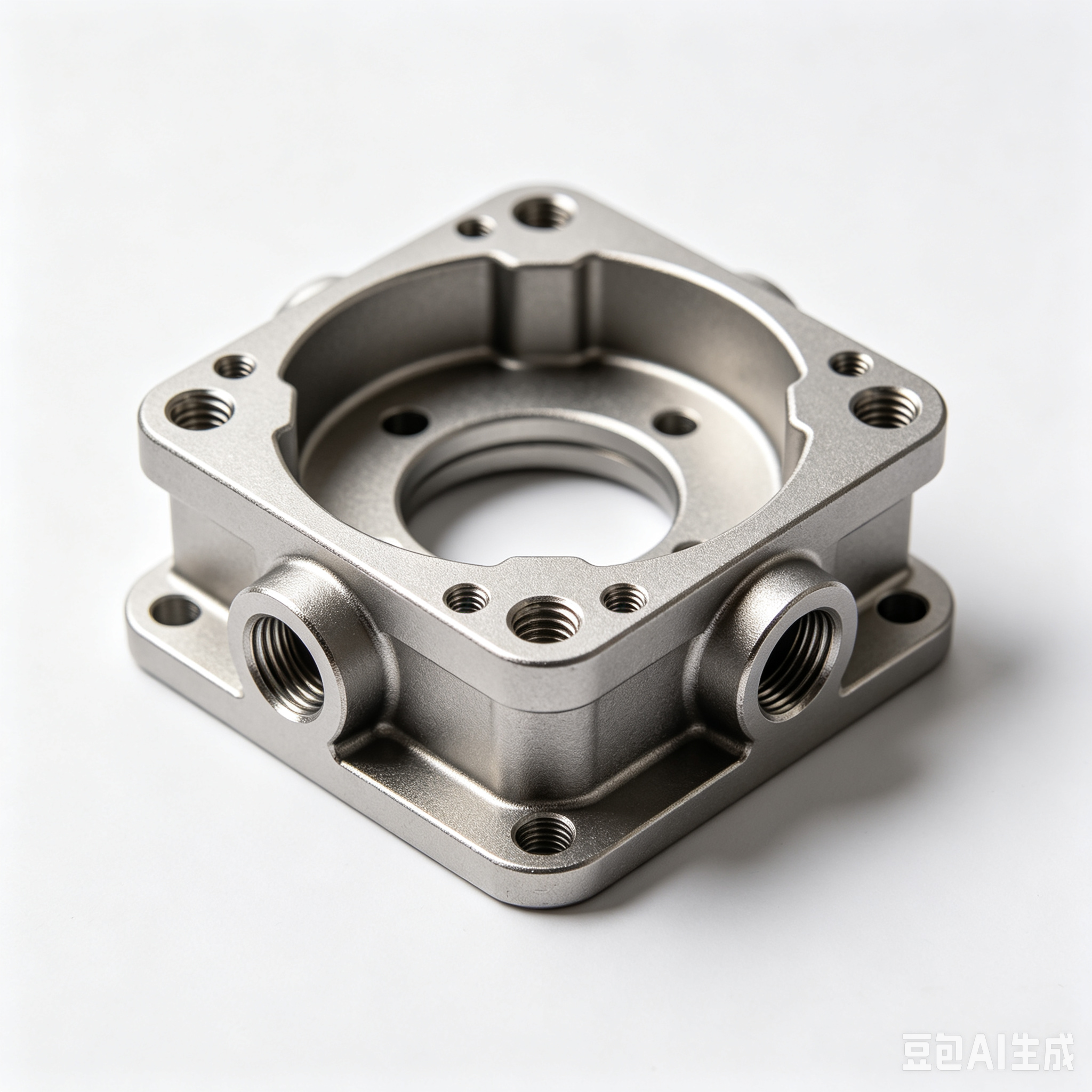
Buyers often arrive with a part designed for one casting process but quoted on another. The result is predictable: surprise tooling cost, the wrong mechanical properties, or scrap rates that destroy the unit price. Pick the process first; design the part second.
Volume: the fastest filter
The single biggest cost driver is annual volume. As a rule of thumb:
- HPDC: Best at 10,000 pcs/yr and above. Tooling pays back fast at volume; cycle times of 30-120 seconds dominate the cost equation.
- LPDC: Sweet spot 2,000-20,000 pcs/yr. Tooling cheaper than HPDC; cycle time slower (3-6 min); part density is excellent.
- Gravity: Below 5,000 pcs/yr or when T6 mechanical properties are essential. Tooling cheapest; cycle time slowest (5-10 min); manual operation viable.
Mechanical properties: where T6 lives
HPDC produces dense parts with good fatigue properties but cannot be solution-heat-treated (T6) because the entrained gas would blister at solution-temperature. If your spec requires UTS ≥ 280 MPa or elongation ≥ 5%, you almost certainly need LPDC or gravity casting in an A356-T6 alloy.
Common applications by process:
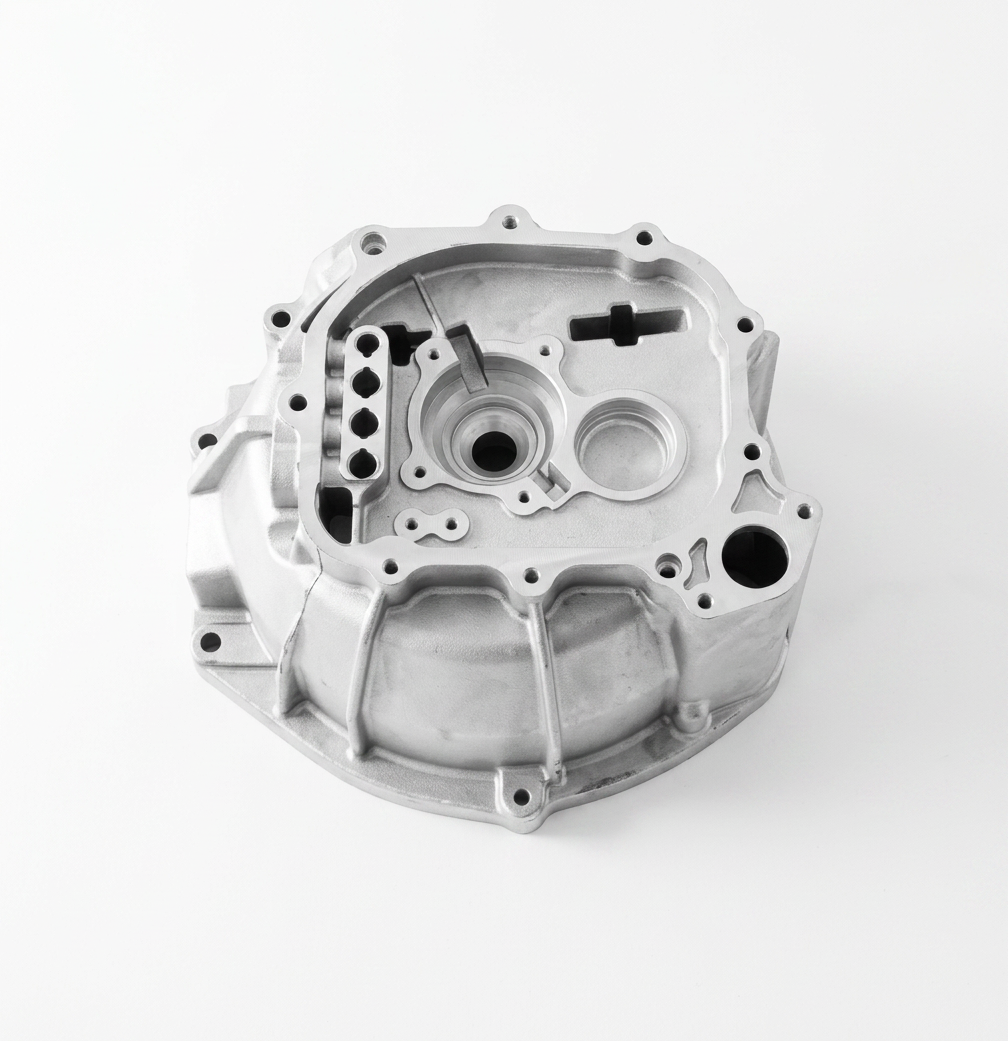
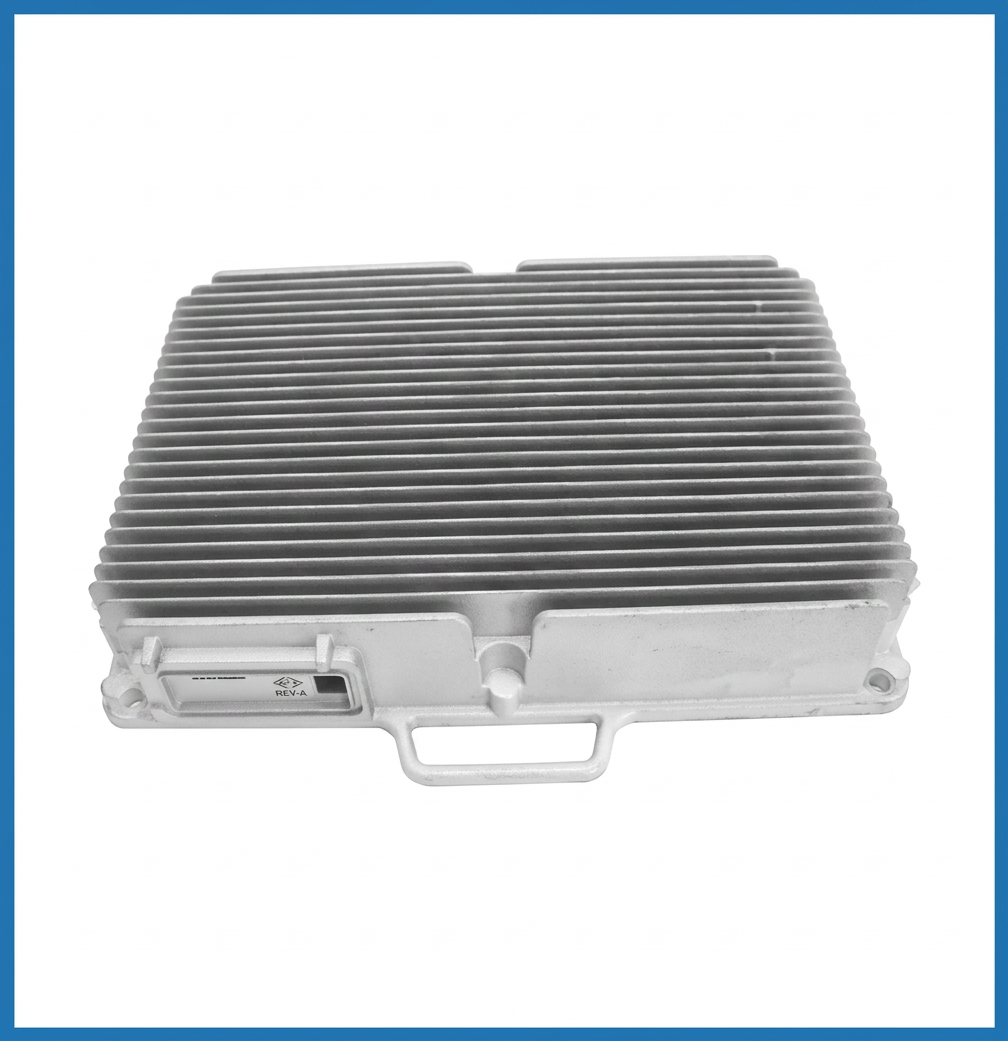
- HPDC: housings, brackets, heat sinks, telecom enclosures, automotive non-critical structural parts
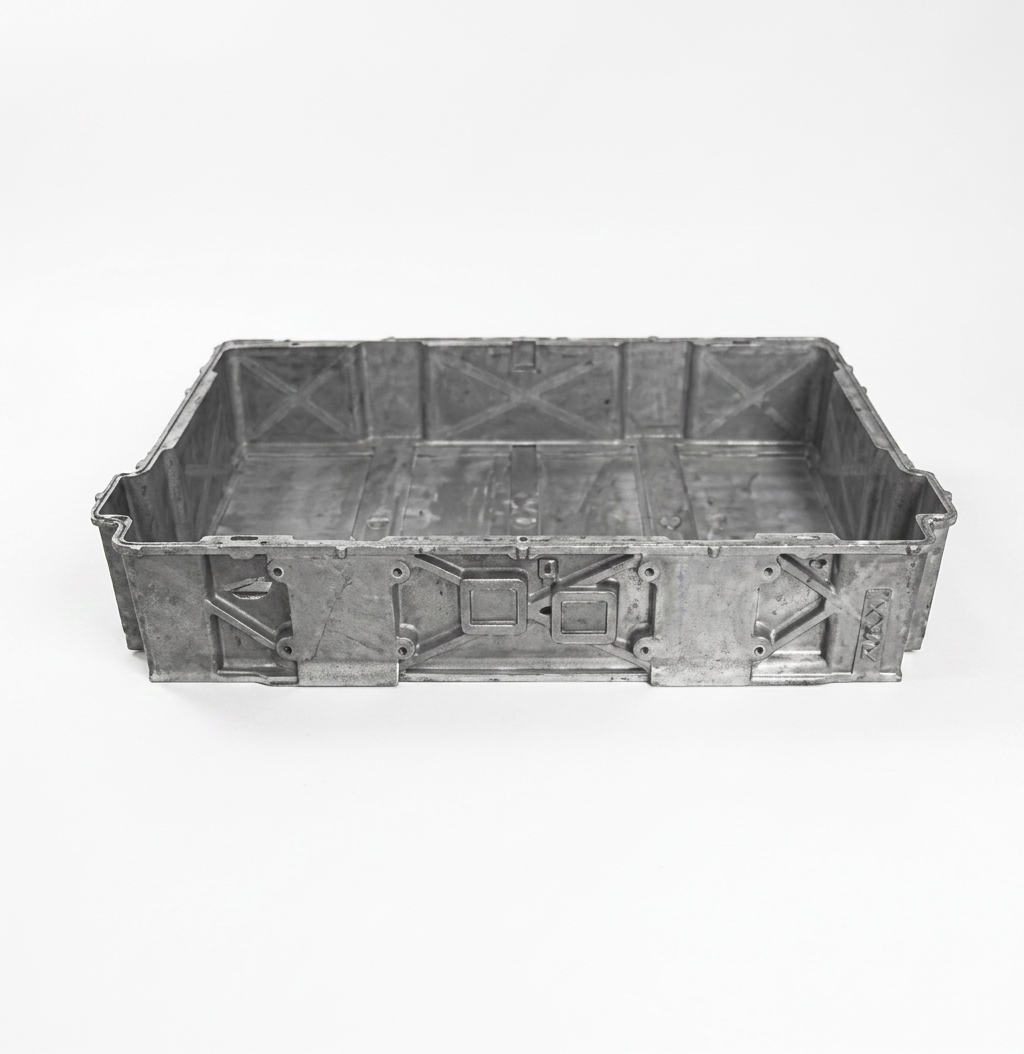
- LPDC: wheels, battery trays, automotive knuckles, structural castings with controlled elongation
- Gravity: motorcycle/ATV crankcases, aerospace brackets, structural prototypes
Geometry constraints
HPDC supports wall thicknesses down to 1.5 mm, complex undercuts via sliders, and intricate cooling fins (1.5 mm pitch). LPDC prefers walls 4-8 mm and simpler geometries with controlled solidification direction. Gravity casting is most flexible geometrically but slowest.
Surface and post-processing
HPDC parts arrive net-shape but with a thin skin of finer-grained, slightly oxide-bearing material. This skin is normally fine, but for cosmetic anodizing it must be removed (typically by light machining of show surfaces). LPDC and gravity casting parts have coarser as-cast surfaces but better internal cleanliness for X-ray-sensitive parts.
A decision worksheet
Before you RFQ, fill in:
- Annual volume (pcs/yr): _______
- Required UTS (MPa) and elongation (%): _______
- Minimum wall thickness (mm): _______
- Surface critical? cosmetic / functional / not critical
- Internal porosity requirement: any / < 2% / < 0.5% (X-ray, AS5060)
- Heat treatment required: F / T1 / T5 / T6
Most reputable foundries will give you a second opinion on process selection at the RFQ stage — Hiyet certainly will. If we think your part is wrong for the process you've quoted, we'll tell you, and quote both options if appropriate.
"The cheapest casting is the one you don't have to fix in CNC." — old foundry adage that is still true.
If you'd like our process-selection guide as a printable PDF, drop us a note at sales@nbhiyet.com.